
Cost to Charge an Electric Car: How Much Does EV Charging Cost?
The cost to charge an electric car depends on your electricity rate, the vehicle’s battery size, how much energy you need to add, charging losses, and whether you charge at home or at a public station.
For a quick estimate, multiply the electricity used for charging by the price you pay per kilowatt-hour (kWh):
Charging cost = electricity used × electricity price per kWh
For example, if an electric car uses 60 kWh from the wall and your electricity rate is $0.18 per kWh, the charging session costs about $10.80.
That does not mean every 60-kWh electric car costs exactly $10.80 to charge. The battery may not accept exactly 60 kWh during a particular session, charging losses mean more electricity can be drawn from the wall than reaches the battery, and public chargers can have different pricing structures.
The U.S. Energy Information Administration projected the average U.S. residential electricity price at about 18.2 cents per kWh in 2026, although the actual rate on your bill can be much higher or lower depending on where you live and your utility plan.
Quick Answer: How Much Does It Cost to Charge an Electric Car?
There is no single national price for charging an electric car because electricity rates and public charging prices vary.
Using 18.2 cents per kWh as a simple 2026 U.S. residential example:
| Electricity used | Approximate home charging cost |
|---|---|
| 20 kWh | $3.64 |
| 30 kWh | $5.46 |
| 40 kWh | $7.28 |
| 50 kWh | $9.10 |
| 60 kWh | $10.92 |
| 75 kWh | $13.65 |
| 100 kWh | $18.20 |
These are electricity-only estimates. Your actual cost can differ because of your utility rate, taxes, time-of-use pricing, charging losses, and other charges.
The U.S. Department of Energy’s Alternative Fuels Data Center explains that residential EV charging costs depend on the electricity price and vehicle efficiency, while some utilities offer time-of-use rates or other incentives for EV charging.
How to Calculate the Cost of Charging an Electric Car
The basic calculation is simple, but you need to know which number you’re using.
Step 1: Find your electricity rate
Look at your electric bill and find your residential electricity price in dollars per kWh.
For example:
Electricity rate = $0.18/kWh
Your actual rate may change depending on your state, utility, billing plan, season, or time of day. EIA data shows substantial differences between states, so using a national average is useful only for an estimate.
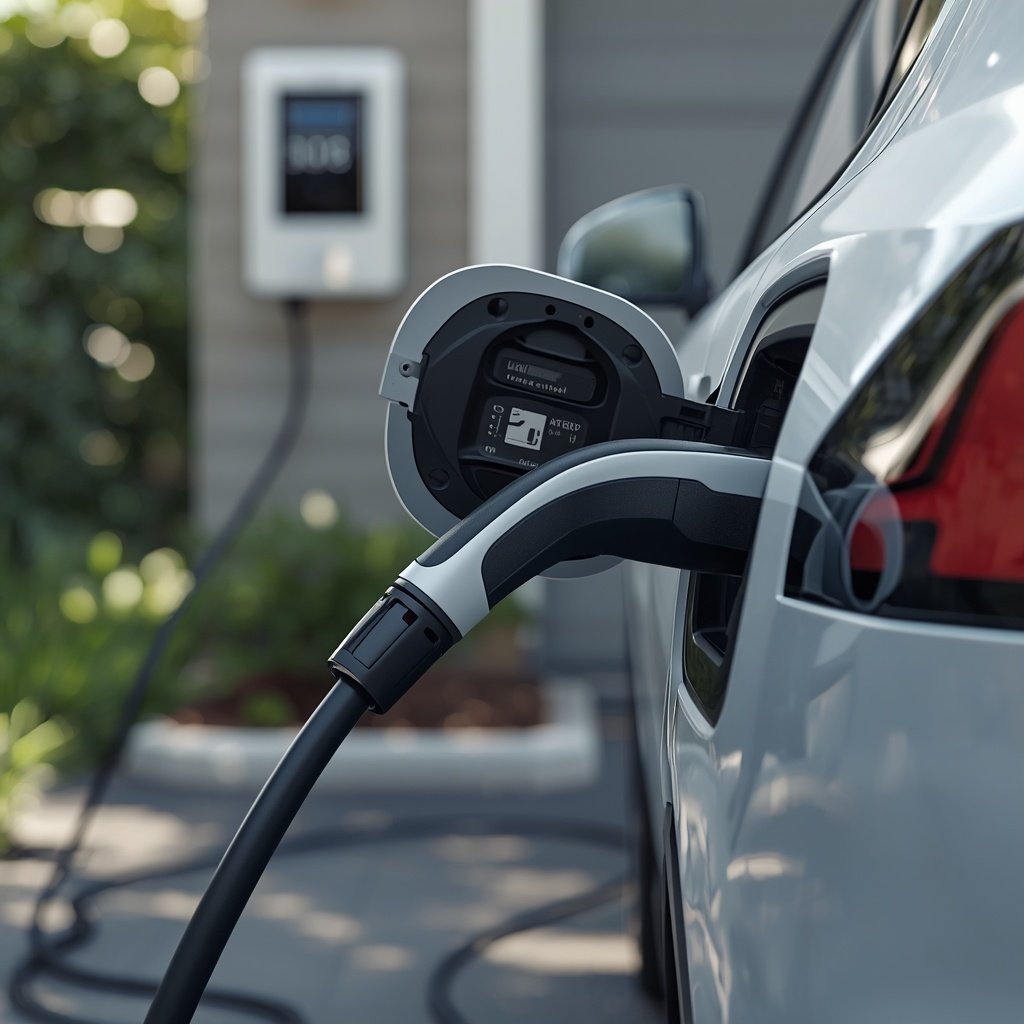
Step 2: Determine how much electricity you need
Check your vehicle’s battery capacity in kWh.
For example, suppose your EV has a:
60 kWh battery
If the battery is at 20% and you want to charge it to 80%, you need to add approximately 60% of the battery’s usable capacity.
60 kWh × 60% = 36 kWh
That is the energy that needs to reach the battery before accounting for charging losses.
Step 3: Account for charging losses
Charging is not perfectly efficient. Some electricity is lost as heat or used by the vehicle and charging equipment.
If 36 kWh needs to reach the battery and your overall charging efficiency is 90%:
36 ÷ 0.90 = 40 kWh
You would therefore need roughly 40 kWh from the electrical supply.
Step 4: Multiply by your electricity rate
If your electricity costs $0.18 per kWh:
40 kWh × $0.18 = $7.20
So charging a 60-kWh EV from 20% to 80% in this example would cost approximately $7.20 at home.
The exact result will depend on the vehicle, charging equipment, temperature, battery condition, and electricity rate.
Electric Car Charging Cost Calculator Formula
You can calculate your charging cost with this simple formula:
Cost = kWh drawn from the wall × electricity price per kWh
If you are calculating from battery capacity and state of charge:
Cost = [(battery capacity × percentage added) ÷ charging efficiency] × electricity rate
For example:
- Battery capacity: 60 kWh
- Starting charge: 20%
- Ending charge: 80%
- Energy added: 36 kWh
- Charging efficiency: 90%
- Electricity rate: $0.18/kWh
Calculation:
(60 × 0.60) ÷ 0.90 × $0.18 = $7.20
This approach is more realistic than simply multiplying the battery’s full capacity by the electricity rate.
How Much Does It Cost to Fully Charge an Electric Car?
A full charge can cost anywhere from a few dollars to well over $20 depending on the battery and electricity price.
Here are examples using an electricity rate of $0.18/kWh:
| Battery size | Approximate cost at $0.18/kWh |
|---|---|
| 30 kWh | $5.40 |
| 40 kWh | $7.20 |
| 50 kWh | $9.00 |
| 60 kWh | $10.80 |
| 75 kWh | $13.50 |
| 100 kWh | $18.00 |
These figures assume the amount of electricity purchased is equal to the battery capacity. In real charging, the amount drawn from the wall can be higher because of charging losses.
Also, most drivers do not charge from 0% to 100% every time.
A driver might regularly charge from 30% to 80%, for example, which requires much less energy than a complete recharge.
How Much Does It Cost to Charge an Electric Car at Home?
Home charging is usually the easiest way to estimate your EV’s energy cost because the electricity comes from your household utility service.
Your cost depends primarily on:
- Your electricity price per kWh
- How much energy the vehicle needs
- Charging losses
- Your utility’s time-of-use rates
- Any applicable taxes or fees
The DOE notes that actual residential charging costs vary based on equipment, time of day, and the utility rate structure. Some utilities offer lower off-peak rates that can make overnight charging cheaper.
For example, if your EV draws 45 kWh from the wall and your electricity costs $0.18/kWh:
45 × $0.18 = $8.10
That is the electricity cost for that charging session.
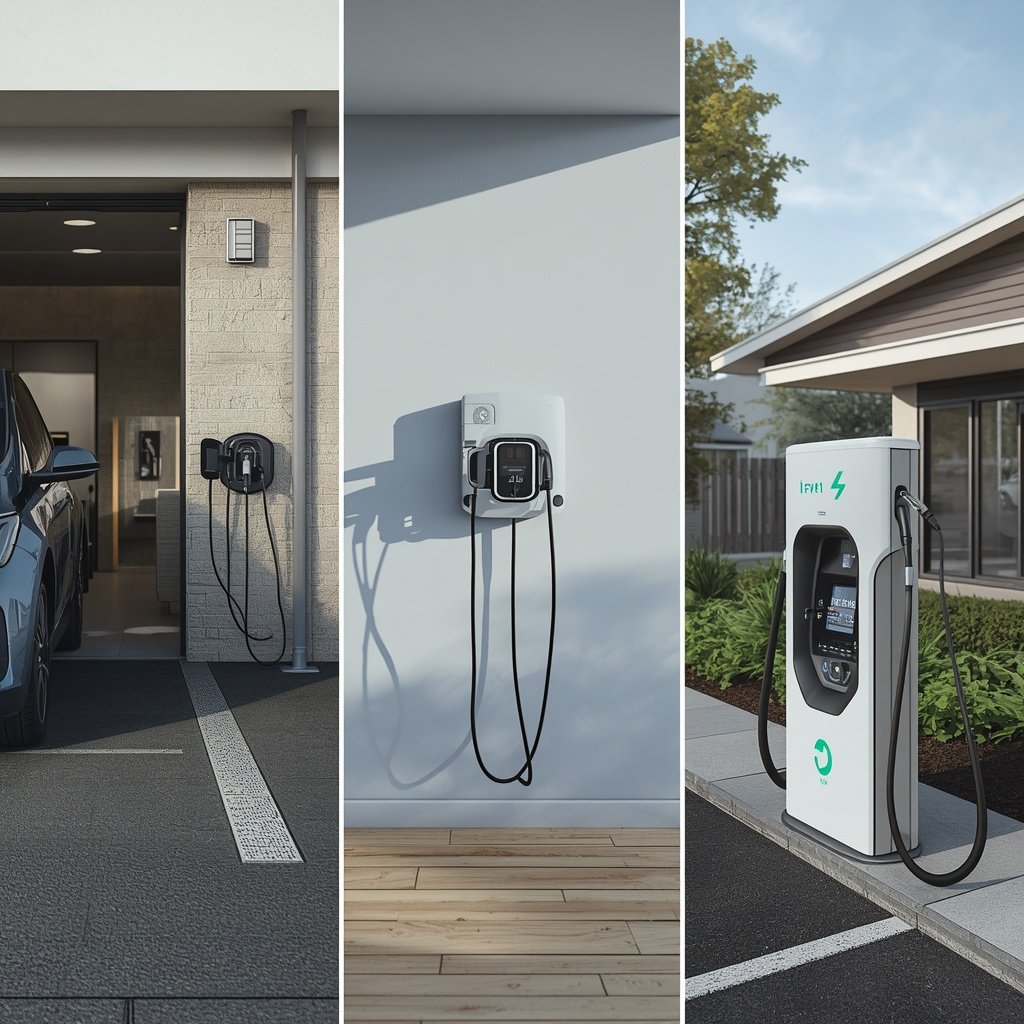
Your charger itself does not normally determine the electricity price. A Level 2 charger can deliver energy faster than a Level 1 charger, but the electricity is still billed according to your applicable rate.
Level 1 vs. Level 2 Charging Cost
Level 1 and Level 2 charging can have different charging speeds, but the cost of the electricity is not automatically higher for Level 2.
Level 1 Charging
Level 1 charging generally uses a standard 120-volt household outlet.
It is slower, but it can be useful for drivers with modest daily mileage and enough time to leave the vehicle plugged in.
The DOE says Level 1 charging can provide roughly 40 miles of range after about eight hours for a midsize EV under its example assumptions.
Level 2 Charging
Level 2 charging uses higher-voltage electrical service, typically 240 volts in residential applications.
It can add range considerably faster and is commonly used for home EV charging.
The important point is that charging speed and electricity price are different things.
If your utility charges $0.18/kWh, you generally pay that electricity rate whether the energy is delivered through Level 1 or Level 2 equipment. A faster charger simply allows you to add the energy more quickly.
How Much Does Public EV Charging Cost?
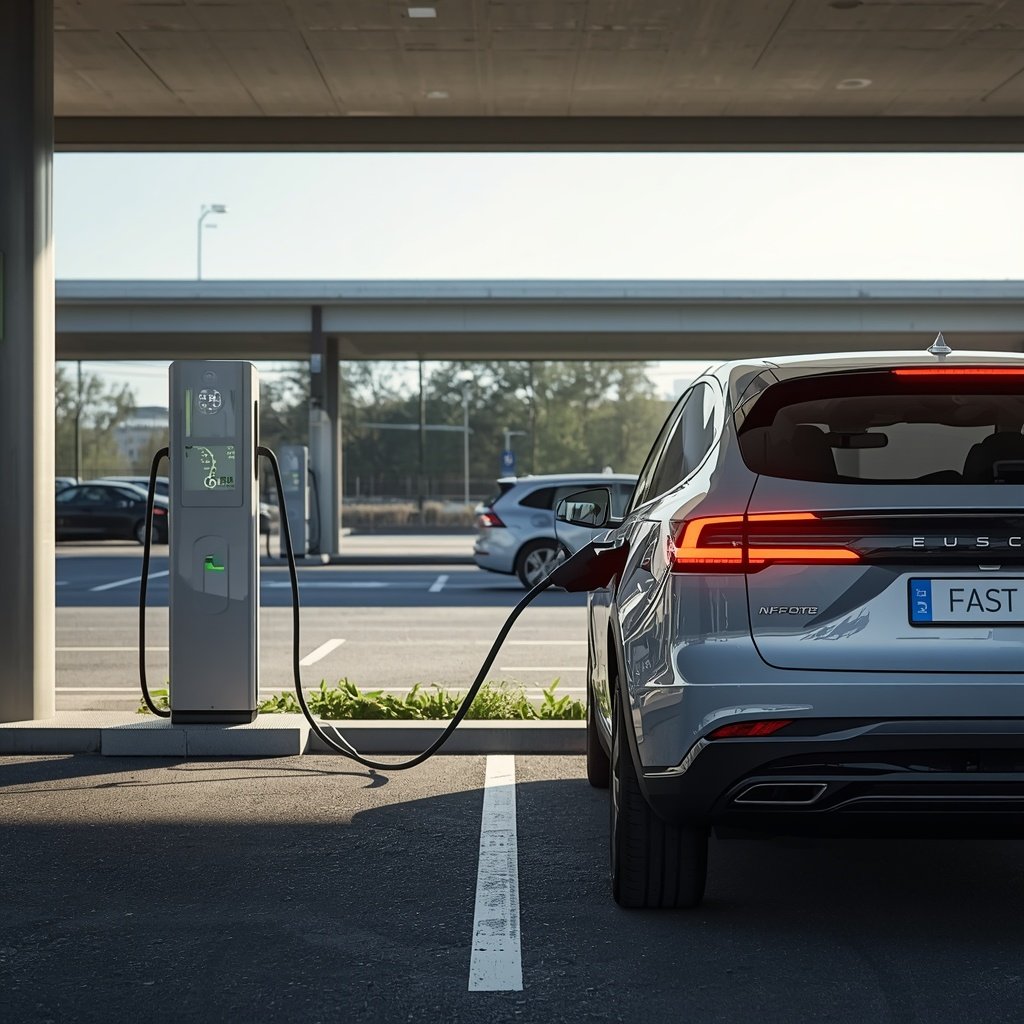
Public charging can be more expensive and less predictable than home charging.
Public charging prices can be structured in several ways, including:
- Per kWh
- Per minute
- Per charging session
- Subscription or membership pricing
- A combination of charging, parking, or connection fees
The DOE’s Alternative Fuels Data Center specifically notes that public charging pricing can vary by network and location and may include different fee structures.
This means there is no single public electric car charging cost that applies across the United States.
A charger might charge $0.30 per kWh, another could charge $0.50 per kWh, and another could use a time-based or session-based fee.
Always check the station’s current price before starting a charging session.
Home Charging vs. Public Charging
For many EV owners, home charging is the more predictable option.
| Factor | Home charging | Public charging |
|---|---|---|
| Price | Based mainly on utility rate | Depends on network and location |
| Convenience | Charge while parked at home | Requires finding a station |
| Speed | Level 1 or Level 2 | Level 2 or DC fast charging |
| Pricing | Usually simple kWh rate | May include multiple fees |
| Best use | Regular daily charging | Road trips and top-ups |
The DOE says most EV owners charge at home, while public and workplace charging provide additional flexibility.
Public DC fast charging is particularly useful when time matters, but convenience and speed can come with a higher price.
Does It Cost Money to Charge an Electric Car?
Yes, charging an electric car normally costs money because the vehicle uses electricity.
However, the amount can vary significantly.
Charging at home means you’re generally paying your household electricity rate. Public charging may cost more or, at some locations, may be free.
Some businesses, workplaces, apartments, hotels, and other destinations may offer free charging as an amenity. The DOE notes that a portion of public charging is free, although paid charging is common.
Even when a charger is advertised as free, check whether there are parking, membership, or other applicable fees.
How Much Does It Cost to Charge an Electric Car Per Mile?
To calculate EV charging cost per mile, you need the vehicle’s energy consumption.
Suppose an EV uses:
30 kWh per 100 miles
And electricity costs:
$0.18/kWh
The calculation is:
30 × $0.18 = $5.40 per 100 miles
Then:
$5.40 ÷ 100 = $0.054 per mile
So the energy cost is approximately:
5.4 cents per mile
The DOE uses the same basic relationship between electricity price and EV efficiency when explaining EV operating costs.
Actual cost per mile will vary with driving speed, weather, heating or air conditioning, terrain, traffic, tire pressure, vehicle efficiency, and charging losses.
How Much Does It Cost to Charge an Electric Car for 100 Miles?
The answer depends on how efficiently the vehicle uses electricity.
For example, assume an EV needs 30 kWh to travel 100 miles and electricity costs $0.18/kWh.
30 × $0.18 = $5.40
So the electricity cost would be approximately $5.40 per 100 miles.
A less efficient EV that uses 40 kWh per 100 miles would cost:
40 × $0.18 = $7.20
The battery’s size is therefore not the only factor that matters. Efficiency is important when calculating the cost of driving an electric car.
How Much Does It Cost to Charge an Electric Car Each Month?
Your monthly charging cost depends on how far you drive and how much electricity your EV uses.
A useful formula is:
Monthly charging cost = monthly miles × kWh per mile × electricity price
For example, suppose you drive 1,000 miles per month.
Your EV uses:
30 kWh per 100 miles
Your electricity rate is:
$0.18/kWh
First calculate monthly electricity use:
1,000 × 30 ÷ 100 = 300 kWh
Then calculate the cost:
300 × $0.18 = $54
So the estimated monthly home charging cost is $54 before accounting for additional charging losses if the 30 kWh figure represents energy delivered to the battery rather than energy drawn from the wall.
What Affects the Cost to Charge an Electric Car?
Several factors can change the final cost.
Electricity Rate
Your utility rate is one of the biggest factors.
EIA data shows that electricity prices vary significantly across states. The national residential average also changes over time.
Battery Size
A larger battery generally requires more electricity to charge from the same state of charge.
A 100-kWh battery can require substantially more electricity for a full recharge than a 50-kWh battery.
State of Charge
Charging from 20% to 80% costs less than charging from 0% to 100% because you’re adding less energy.
Vehicle Efficiency
Two EVs with similarly sized batteries can have different operating costs because they may use different amounts of electricity per mile.
Charging Losses
Not all electricity drawn from the wall reaches the battery. Charging efficiency varies with the vehicle, equipment, temperature, and charging conditions.
Charging Location
Home charging generally uses your utility’s electricity rate. Public charging can have its own pricing structure and fees.
Time of Day
Some utilities offer time-of-use pricing, which can make charging during certain hours cheaper.
ENERGY STAR notes that utilities across the country offer programs such as reduced off-peak electricity rates and incentives for EV charging.
Does Charging an EV at Night Cost Less?
It can.
Whether nighttime charging is cheaper depends on your utility’s rate plan.
If your utility offers time-of-use pricing, electricity may cost less during off-peak hours when demand is lower. In that situation, scheduling your EV to charge overnight can reduce your charging cost.
If your utility uses a flat electricity rate throughout the day, charging at night may not change the energy price.
Check your utility bill or rate plan rather than assuming nighttime charging is always cheaper.
Is It Cheaper to Charge an Electric Car or Buy Gas?
In many situations, an EV can have a lower energy cost per mile than a gasoline vehicle, particularly when it is charged at home at a relatively low electricity rate.
But the comparison should be made using cost per mile, not simply the cost of one full charge versus one tank of gas.
For an EV:
EV cost per mile = electricity used per mile × electricity price
For a gasoline vehicle:
Gas cost per mile = fuel price per gallon ÷ miles per gallon
For example, suppose:
- EV efficiency = 30 kWh/100 miles
- Electricity = $0.18/kWh
- Gasoline = $3.50/gallon
- Gas vehicle efficiency = 30 mpg
EV:
30 × $0.18 = $5.40 per 100 miles
Gas vehicle:
$3.50 ÷ 30 × 100 = $11.67 per 100 miles
Under these assumptions, the EV has the lower energy cost.
However, your actual result depends on local electricity and gasoline prices, vehicle efficiency, and where you charge.
Why Public Fast Charging Can Change the Math
An EV that is inexpensive to charge at home can have a much higher energy cost when charged exclusively at public DC fast chargers.
Public fast charging has additional infrastructure and operating costs, and public charging prices can be structured differently from household electricity rates. DOE data also shows that public DC fast charging generally costs more than home AC charging.
This is why an EV owner’s charging routine matters.
Someone who charges mostly at home may have a very different annual energy cost from someone who relies heavily on highway fast chargers.
How to Reduce Your EV Charging Cost
One way to reduce home charging costs is to use an off-peak EV tariff such as Intelligent Octopus Go, which schedules charging during cheaper periods.
Charge at Home When Practical
Home charging gives you access to your household electricity rate and avoids many public charging fees.
Use Off-Peak Rates
If your utility offers time-of-use pricing, schedule charging during cheaper periods.
Avoid Unnecessary Fast Charging
DC fast charging is valuable for road trips and time-sensitive charging, but you don’t necessarily need it for routine overnight charging.
Compare Public Charging Prices
Different networks and stations can use different rates. Check the price before starting a session.
Use Your EV’s Efficiency Data
Track how many kWh your vehicle uses per 100 miles. This gives you a better idea of your actual cost than battery size alone.
Charge Only What You Need
For daily driving, you may not need to recharge the entire battery. Adding the energy needed for your normal driving can be more practical than repeatedly charging from nearly empty to full.
Does a Bigger EV Battery Mean a Higher Charging Cost?
Usually, yes for a full charge.
A larger battery stores more energy, so it generally takes more electricity to refill it.
For example, ignoring charging losses:
- 50 kWh × $0.18 = $9
- 75 kWh × $0.18 = $13.50
- 100 kWh × $0.18 = $18
But a larger battery does not necessarily mean a higher cost per mile.
A larger vehicle may also have different efficiency, while some larger batteries can provide more driving range.
For running-cost comparisons, kWh per 100 miles is often more useful than battery size by itself.
What Is the Cheapest Way to Charge an Electric Car?
For most drivers with suitable home parking, regular home charging can be the most straightforward low-cost option, particularly when the household electricity rate is favorable.
The cheapest option in a specific situation could also involve workplace charging, free destination charging, solar generation, or an off-peak utility rate.
The key is to compare the actual price you pay for the electricity rather than assuming every charger has the same cost.
Do You Need a Level 2 Charger at Home?
Not necessarily.
Level 1 charging uses a standard 120-volt outlet and can be sufficient for some drivers with low daily mileage and long parking periods.
Level 2 charging uses higher-voltage service and can replenish the battery much faster. It is particularly useful for drivers who regularly cover significant distances or want faster overnight charging.
The DOE recommends checking the vehicle manufacturer’s requirements and local permitting or electrical requirements before installing charging equipment.
The important distinction is that buying and installing a faster charger is an equipment cost, while electricity used to charge the vehicle is an operating cost.
How Much Does It Cost to Install an Electric Car Charger at Home?
Installation cost is separate from the cost of electricity.
A basic Level 1 setup may require little more than a suitable existing outlet and the charging equipment.
A Level 2 installation can require additional electrical work, such as:
- A dedicated circuit
- Wiring
- Breakers and electrical protection
- A 240-volt connection
- Charger installation
- Permits where required
- Possible electrical panel upgrades
The final price depends heavily on the home’s existing electrical system and the distance between the electrical panel and charging location.
The DOE recommends checking local permitting requirements and having the installation performed in accordance with applicable electrical codes.
Can Solar Panels Reduce EV Charging Costs?
Solar power can reduce the amount of grid electricity you need for EV charging, but the financial result depends on your solar system, electricity rate, battery storage, net-metering or export rules, and when you charge.
If solar electricity is available for direct vehicle charging, the effective energy cost can be lower than buying all of the electricity from the grid.
However, solar panels themselves have an upfront cost, so solar should be evaluated as a separate investment rather than simply treating EV charging as free.
What Is the Difference Between kW and kWh?
This distinction causes a lot of confusion when people calculate EV charging costs.
kWh measures energy.
kW measures power.
Your electricity bill is generally based on kWh, while the charging power of an EV charger is described in kW.
For example, a 7-kW charger can deliver power faster than a 3.5-kW charger.
But if your EV ultimately receives 30 kWh of energy, the energy itself is still 30 kWh. The charger mainly changes how quickly that energy is delivered.
That is why charger power does not directly determine your charging cost.
What Does It Cost to Charge an Electric Car From 20% to 80%?
Charging from 20% to 80% means adding approximately 60% of the usable battery capacity.
For a 60-kWh battery:
60 × 0.60 = 36 kWh
If charging efficiency is 90%:
36 ÷ 0.90 = 40 kWh from the wall
At $0.18/kWh:
40 × $0.18 = $7.20
So the estimated cost is approximately $7.20.
This is a useful example because many EV drivers routinely add a partial charge rather than waiting until the battery is empty.
How Accurate Are EV Charging Cost Estimates?
An online estimate can be very useful, but it should not be treated as an exact bill prediction.
The biggest variables include:
- Actual electricity rate
- Charging efficiency
- Battery temperature
- Vehicle efficiency
- State of charge
- Charging equipment
- Utility rate structure
- Public charging fees
- Parking fees
- Driving conditions
For the most accurate estimate, use your own electricity rate and the vehicle’s actual energy consumption.
If you have several months of electricity and driving data, your real-world cost per mile will usually be more useful than a generic national estimate.
Frequently Asked Questions
How much does it cost to charge an electric car?
The cost depends on your electricity rate and how much energy the vehicle uses. At $0.18 per kWh, 50 kWh of electricity costs about $9, while 60 kWh costs about $10.80.
How much does it cost to charge an electric car at home?
Multiply the electricity drawn from the wall by your household electricity rate. For example, 45 kWh at $0.18 per kWh costs $8.10.
Does it cost money to charge an electric car?
Yes, charging normally uses paid electricity, although some workplaces, businesses, hotels, and public locations may offer free charging.
How do you calculate the cost of charging an electric car?
Use:
Charging cost = kWh used × electricity price per kWh
For a more accurate calculation from battery state of charge, account for charging losses as well.
Is it cheaper to charge an electric car at home?
Often, yes, especially if your household electricity rate is lower than the price charged by public fast-charging networks. However, prices vary by utility and charging network.
How much does it cost to charge an electric car per 100 miles?
Multiply the vehicle’s kWh per 100 miles by your electricity price. An EV using 30 kWh per 100 miles at $0.18/kWh costs about $5.40 per 100 miles.
Is Level 2 charging more expensive than Level 1 charging?
Not necessarily. The electricity price is generally determined by your utility rate, not simply by whether you use Level 1 or Level 2 equipment. Level 2 mainly provides faster charging.
Is it cheaper to charge an EV at night?
It can be if your utility offers lower off-peak electricity rates. If your electricity price is the same throughout the day, charging at night may not reduce the energy cost.
How much does a 60 kWh EV cost to charge?
At $0.18 per kWh, 60 kWh costs $10.80 before accounting for charging losses. If more than 60 kWh is drawn from the wall because of charging losses, the actual cost will be higher.
How much does a 100 kWh EV cost to charge?
At $0.18 per kWh, 100 kWh costs $18 before charging losses. A full recharge may therefore cost more than $18 when measured at the electrical outlet.
Does a bigger battery cost more to charge?
Usually, yes for a complete recharge because more energy is required. However, battery size alone does not determine cost per mile because vehicle efficiency and driving range also matter.
Is public EV charging expensive?
It can be. Public charging prices vary by network, location, charger type, and pricing structure. Some stations charge per kWh, while others use time-based, session-based, or subscription pricing.
Can I calculate my monthly EV charging cost?
Yes. Multiply your monthly driving distance by your vehicle’s electricity consumption per mile and then multiply by your electricity rate.
For example:
1,000 miles × 0.30 kWh/mile × $0.18 = $54
This is an estimate and should be adjusted for charging losses when the efficiency figure represents energy delivered to the battery.
Final Takeaway
The cost to charge an electric car is easier to calculate than it may initially seem.
Start with your electricity price and determine how many kWh the vehicle needs. Then multiply the two numbers:
Charging cost = electricity used × electricity price
For a more realistic calculation, account for charging losses and use the vehicle’s actual efficiency.
Home charging is usually the easiest cost to predict because it is tied to your household electricity rate. Public charging is more variable because networks can use different prices and fee structures.
If you want to know what your EV actually costs to operate, don’t stop at the price of a full charge. Calculate cost per mile, monthly charging cost, and annual charging cost using your own electricity rate and driving habits.
The U.S. Department of Energy’s Alternative Fuels Data Center also provides tools for comparing vehicle energy costs and estimating total vehicle costs using driving habits and electricity prices.