
Nigel Farage Faces Scrutiny as Reform UK Conference Is Rocked by Undercover Footage
Reform UK leader Nigel Farage came under renewed media and political scrutiny as the party’s 2026 conference in Birmingham was overshadowed by undercover footage involving senior figures and allegations concerning foreign political funding.
The controversy emerged just before Reform UK’s annual conference and quickly became one of the dominant stories surrounding the event. Two senior party figures, Dan Jukes and James Orr, stepped down from their roles after footage broadcast by Channel 4 News appeared to show discussions about political polling and potential funding from a supposed US donor. Reform UK said no illegal money had been accepted and challenged the investigation’s methods. Farage also denied that the party had broken electoral law.
The allegations are particularly significant because UK political parties are subject to rules governing who can legally provide donations and other forms of political support. The government has also been tightening those safeguards in 2026 amid wider concerns about foreign financial influence in British politics.
What happened to Reform UK?
The immediate controversy followed an undercover investigation involving Verbatim, a group associated with the Centre for Climate Reporting. Reporters posed as potential donors, including a supposed wealthy American source, and recorded conversations with senior Reform UK figures.
According to reporting on the investigation, the footage included discussions about an apparent £30,000-plus arrangement involving polling that could benefit Reform UK. The investigation also captured conversations about a potential £500,000 contribution from a supposed American donor.
The important distinction is that the footage contains allegations and recorded conversations, not a final legal finding that Reform UK committed an offence. Reform UK has disputed the interpretation of the footage and rejected the suggestion that it accepted an unlawful foreign donation.
The controversy nevertheless became politically damaging because it raised questions about internal controls, donor checks and the relationship between senior party officials and potential sources of political funding.
Who are Dan Jukes and James Orr?
Dan Jukes was a senior aide to Nigel Farage, while James Orr was Reform UK’s head of policy.
Both became central to the controversy after the undercover footage was broadcast.
Reform UK suspended or removed the two figures from their roles while the party examined the allegations. The decision came shortly before Farage was due to address delegates at the Birmingham conference, turning an already significant political event into a test of the party leader’s ability to control the situation.
The episode also created questions about how much responsibility should rest with individual advisers and how far a party leader can distance himself from conversations involving senior members of his political operation.
What did the undercover footage allegedly show?
The investigation centred on discussions involving a supposed US donor who, according to the reports, would not ordinarily have been eligible to make a political donation to a UK party.
The footage reportedly showed Reform figures discussing ways in which money could potentially be provided or used to support political activity. It also involved polling that was said to benefit Reform UK’s political messaging.
One particularly important part of the story concerns the distinction between a straightforward cash donation and other forms of financial support.
Political support does not necessarily have to arrive as a cheque made directly to a party. Services, polling or other benefits provided for political purposes can raise questions about whether they fall within the relevant political-finance rules.
Reports said more than £30,000 was involved in polling connected to the controversy. The precise legal status of that arrangement is part of the wider scrutiny surrounding the case.
Did Nigel Farage break the law?
There is no final finding establishing that Nigel Farage personally broke UK electoral law in this episode.
Farage has repeatedly denied wrongdoing and said Reform UK had not accepted illegal money. He characterised the undercover operation as entrapment and argued that comments made by party figures should not be treated as evidence that the party actually committed an offence.
Farage also acknowledged that some things said by members of his team should not have been said and that he was unhappy with the situation.
That distinction matters. There is a difference between:
- an undercover recording containing discussions about a possible arrangement;
- an actual donation or benefit being received;
- an investigation into whether the arrangement breached electoral law; and
- a completed legal finding that an offence occurred.
At the time of writing, the controversy remains at the investigation and scrutiny stage rather than being a concluded court finding against Farage.
Why are foreign donations such a serious issue in the UK?
UK political-finance law is designed to prevent foreign money from improperly influencing British politics.
The government has described preventing foreign financial influence as a core democratic safeguard. Existing rules restrict political donations to permissible sources, while political parties have obligations to check donations and report relevant funding.
In 2026, the government has gone further.
New measures announced during the year include a £100,000 annual cap for donations and regulated transactions involving overseas electors, alongside plans for stronger checks on corporate donors. The government has also introduced measures concerning cryptocurrency donations and the source of political funding.
The broader policy debate is therefore larger than Reform UK. It concerns how Britain can ensure that political parties are funded by legitimate sources and that foreign money cannot be channelled into domestic politics through intermediaries.
What is the issue with using a UK intermediary?
One of the most sensitive aspects of the allegations concerns the possibility of money from an impermissible foreign source being routed through someone who would otherwise qualify as a permissible donor.
UK government material specifically identifies proxy arrangements as a potential vulnerability. The principle is straightforward: a person should not be used as a front for a foreign source that could not legally make the donation itself.
That is why the allegations involving a potential UK intermediary attracted significant attention.
However, an important distinction remains: a discussion about such a structure is not automatically proof that an unlawful donation was ultimately completed. Establishing whether an offence occurred requires examination of the actual financial transactions, the parties involved, their intentions and the applicable law.
How did Nigel Farage respond?
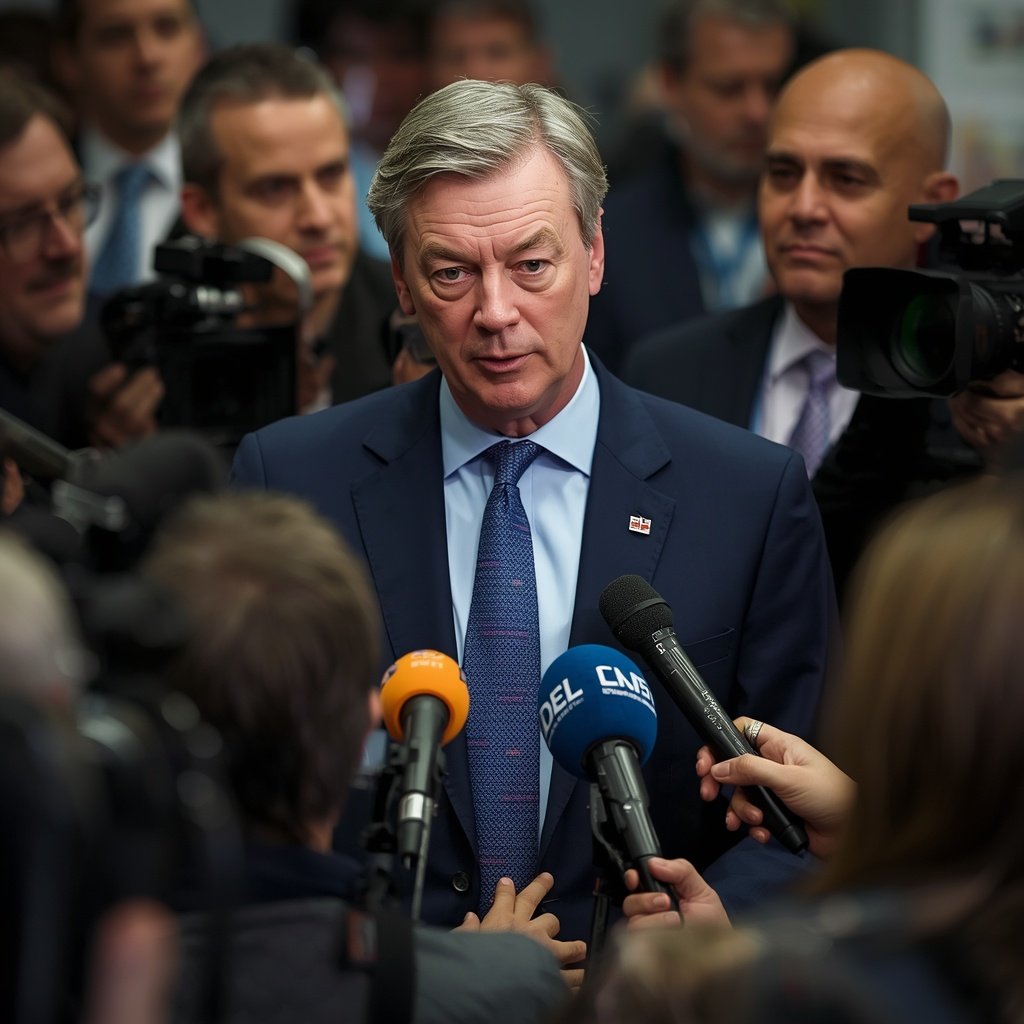
Farage attempted to contain the controversy before and during Reform UK’s conference in Birmingham.
He rejected the claim that Reform UK had broken electoral law and argued that the undercover investigation had deliberately targeted the party. He also distanced himself from the actions and comments of the two senior figures who were removed from their positions.
At the conference, Farage sought to shift attention back towards Reform UK’s political agenda, including immigration, government reform and the party’s plans for its first 100 days in office.
But the funding allegations remained difficult to separate from the conference because they emerged immediately before the event and involved people close to the party leadership.
Why was the Reform UK conference in Birmingham overshadowed?
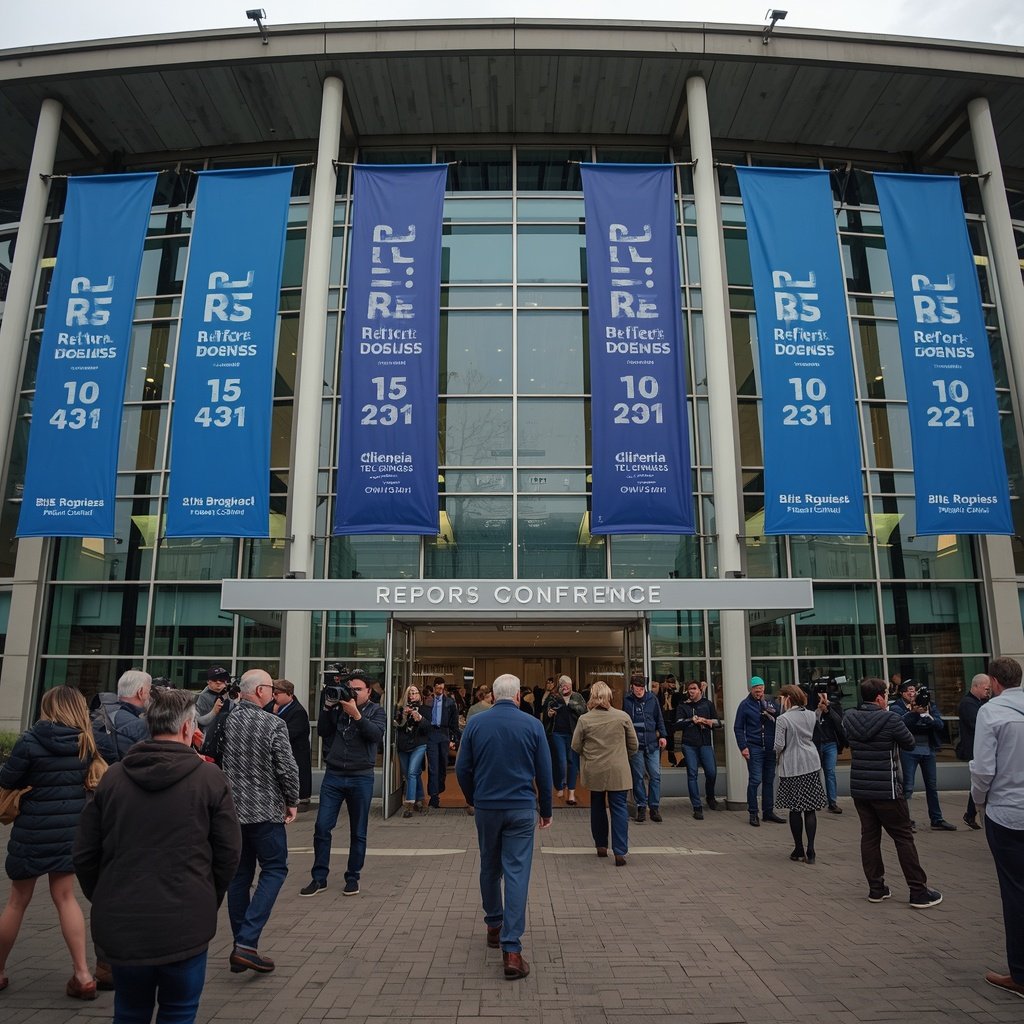
The timing was especially damaging.
Reform UK entered its Birmingham conference intending to present itself as a serious alternative government-in-waiting. Farage and other senior figures were expected to focus on policy and the party’s plans for government.
Instead, much of the media coverage centred on the undercover investigation, the suspension of senior officials and questions about political donations.
The conference also faced other controversies, including protests and an incident involving the removal of a female protester, which led to police involvement. These developments added to the difficult atmosphere surrounding the event.
Despite the controversy, Farage remained defiant and used his conference appearances to argue that Reform UK remained capable of challenging the established political parties.
What does the controversy mean for Reform UK?
The biggest political question is not simply whether one particular conversation breached a rule.
It is whether Reform UK can convince voters that it has the organisational discipline and financial controls required of a party seeking national government.
Reform UK has grown from a protest-oriented political movement into a major force in British politics. That growth brings greater scrutiny of its candidates, advisers, donors, internal processes and leadership.
The undercover footage therefore creates a broader credibility challenge.
For Farage, the immediate task is to maintain the support of Reform voters while demonstrating that the party can deal with allegations involving senior officials without allowing them to overwhelm its policy agenda.
The party’s response will also be watched by political opponents and regulators because political funding transparency is increasingly important in British politics.
What happens next?
Several questions remain unresolved.
The Electoral Commission is reviewing information connected with the allegations, while political opponents have called for the matter to be referred to law-enforcement authorities.
The key issues investigators and regulators may need to establish include:
- whether any impermissible foreign money was actually provided;
- who commissioned and paid for the polling;
- whether the polling constituted a reportable political donation or benefit;
- whether any intermediary was used to conceal the true source of funding;
- what the senior Reform figures understood about the proposed arrangements; and
- whether any electoral-law requirements were breached.
Until those questions are resolved, it is important not to present the allegations as established criminal conduct.
Why this matters beyond Nigel Farage
The controversy comes at a particularly sensitive time for UK political finance.
The government has already introduced or proposed stronger safeguards against foreign financial influence, following the Rycroft Review into political funding and foreign interference. The review argued that political parties should not be funded by foreign money and emphasised transparency as central to public confidence in the political system.
That means the Reform UK controversy is part of a much wider debate.
The central question is not simply whether Nigel Farage or Reform UK can survive another political scandal. It is whether Britain’s existing political-finance framework can effectively detect and prevent foreign money from entering domestic politics, including through indirect routes.
Frequently Asked Questions
What happened to Nigel Farage and Reform UK?
Nigel Farage faced renewed scrutiny after undercover footage broadcast by Channel 4 News showed senior Reform UK figures discussing political funding involving a supposed foreign donor. Two senior figures, Dan Jukes and James Orr, stepped down while the allegations were examined. Reform UK denies that it broke electoral law.
Did Reform UK receive an illegal foreign donation?
That has not been established as a final legal finding. The undercover investigation raised allegations concerning foreign funding and polling, while Reform UK maintains that it did not accept illegal money. The relevant authorities are examining the information.
Who are Dan Jukes and James Orr?
Dan Jukes was a senior aide to Nigel Farage, while James Orr served as Reform UK’s head of policy. Both became central to the undercover investigation and stepped down from their party roles after the footage was broadcast.
What did Nigel Farage say about the allegations?
Farage denied that Reform UK had broken the law and described the undercover investigation as entrapment. He also said he was unhappy with comments made by members of his team and supported their removal from their roles.
Why are foreign political donations restricted in the UK?
UK political-finance rules are designed to prevent foreign money from influencing British elections and political parties. The government has described foreign financial interference as a threat to democratic integrity and has introduced further safeguards during 2026.
Where was the Reform UK conference held?
Reform UK’s 2026 annual conference was held in Birmingham, England. The event was intended to showcase the party’s political programme but was heavily overshadowed by the controversy over the undercover footage and political funding allegations.
The bottom line
Nigel Farage emerged from Reform UK’s Birmingham conference still firmly in control of the party, but the undercover funding controversy created a serious new test for Reform UK.
The footage has raised questions about the conduct of senior officials, political donations and the party’s internal controls. Reform UK insists that it has not broken the law, while the relevant allegations and funding arrangements remain subject to scrutiny.
For now, the most accurate conclusion is that Reform UK is facing a significant political and regulatory controversy, but the allegations should not be confused with a completed legal finding of wrongdoing.
What happens next will depend on the evidence available to regulators and investigators, particularly regarding the source and movement of money, the polling arrangements and what party officials knew about them.